Sub-Saharan Africa began 2026 with its strongest economic momentum in more than a decade, but a fresh global shock has sharply shifted the outlook.
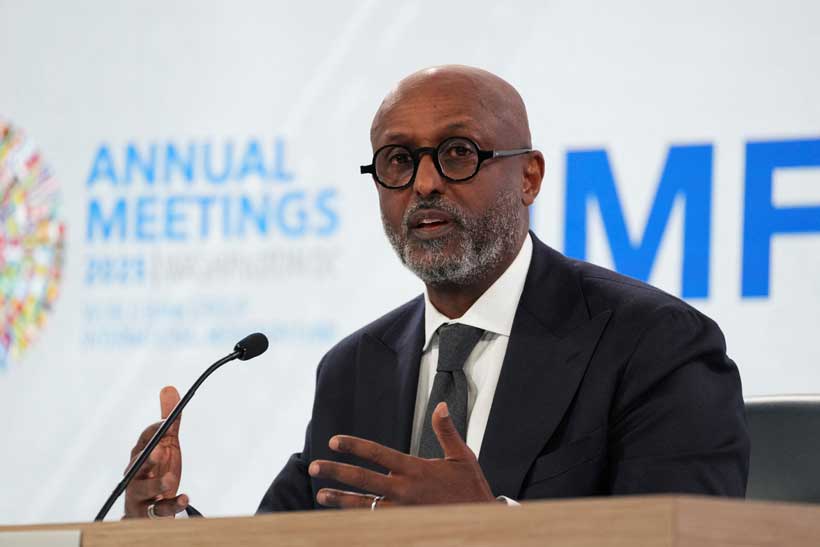
Presenting the latest Regional Economic Outlook at the Spring Meetings of the International Monetary Fund, Abebe Aemro Selassie noted that the region had entered the year on a high note before being disrupted by geopolitical tensions. He emphasized that the key challenge now is maintaining recent progress while managing yet another external shock.
The report highlights that 2025 was a year of notable recovery and reform across the region. Economic growth reached 4.5%, the fastest pace in over ten years, supported by improved global conditions and decisive domestic policy actions.
Major economies including Ethiopia and Nigeria implemented critical macroeconomic reforms—such as exchange rate adjustments, subsidy reductions, and tighter monetary policy. These measures helped strengthen fiscal balances, ease inflationary pressures, and, in some cases, led to sovereign credit rating upgrades.
By the end of 2025, median inflation had declined to 3.4%, fiscal deficits had narrowed, and public debt levels were on a downward trend.
Overall, Selassie described 2025 as a year of “hard-won stabilization gains,” acknowledging the efforts of policymakers across the region in restoring economic stability.