
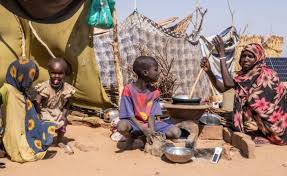
After three years of conflict, Sudan is now facing an escalating health emergency, widely regarded as the largest humanitarian crisis in the world. An estimated 34 million people require assistance, while 21 million lack access to basic health services as ongoing violence continues to devastate an already fragile system.
Although conditions have shown slight improvement in some regions, the crisis is worsening in areas still affected by active fighting. Disease outbreaks are spreading, malnutrition is rising, and access to care is shrinking amid severe funding gaps.
According to World Health Organization Director-General Tedros Adhanom Ghebreyesus, the war has stripped millions of essential rights, including access to health care, food, water, and safety. He stressed that while health workers are striving to save lives, they need secure environments, adequate supplies, and sustained support—adding that lasting recovery ultimately depends on peace.
The situation is particularly alarming for vulnerable populations. More than 4 million people are projected to be acutely malnourished in 2026, increasing their susceptibility to disease and life-threatening complications.
Multiple disease outbreaks have been reported across several states, including malaria, dengue fever, measles, polio, hepatitis E, meningitis, and diphtheria. Meanwhile, about 37% of health facilities nationwide are no longer operational, with repeated attacks on hospitals, ambulances, patients, and medical staff further limiting access to care.
Since the conflict began in April 2023, the WHO has documented over 200 attacks on health care facilities, resulting in thousands of deaths and injuries. In heavily affected regions such as Darfur and Kordofan, violence has displaced communities and severely restricted the delivery of humanitarian aid.
A recent attack on a major hospital in East Darfur underscores the severity of the crisis, leaving dozens dead—including children and health workers—and rendering a critical referral facility inoperable.
Hanan Balkhy warned that Sudan’s crisis continues to deepen, with millions facing hunger, disease, and a lack of medical care, underscoring the urgent need for sustained humanitarian intervention and long-term solutions.
Despite the challenges, the WHO and its partners remain active on the ground, delivering medical supplies, supporting health workers, and restoring essential services. Since 2023, thousands of metric tons of medicines and equipment have been distributed, helping to provide care to millions and support vaccination campaigns reaching tens of millions of people.
Efforts have also contributed to controlling major disease outbreaks, including a cholera epidemic that was declared over in March 2026 after an extended response.
The WHO continues to call for safe and unrestricted humanitarian access, protection of health infrastructure, and increased funding. However, officials emphasize that without an end to the conflict, meaningful recovery of Sudan’s health system will remain out of reach.
Source: World Health Organization