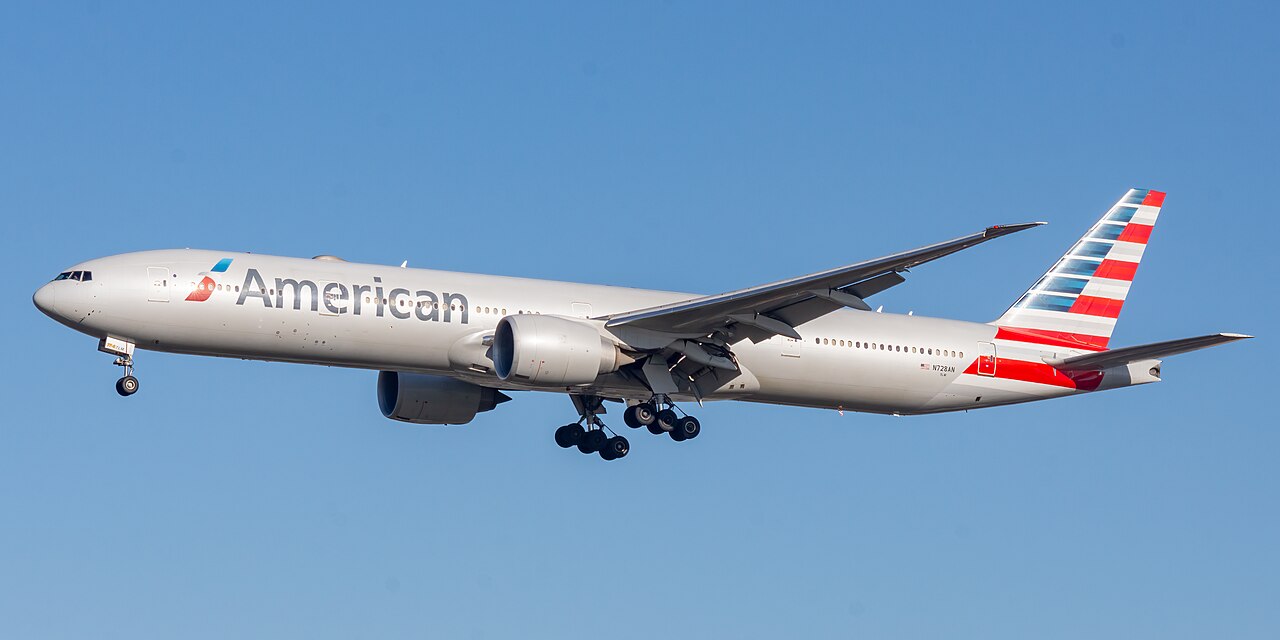
American Airlines said Friday it has no interest in merging with United Airlines and confirmed that no talks have taken place, cooling speculation about a potential industry-shaping deal that would likely face steep regulatory hurdles.
A merger between two of the largest U.S. network carriers would mark the biggest consolidation move in over a decade, further tightening a domestic market already dominated by four major players. Globally, American and United already rank as the two largest airlines by available capacity in 2025, according to OAG data.
However, such scale would draw intense scrutiny from regulators, labor unions, and consumer advocates concerned about higher fares and reduced competition. Analysts say those concerns would make approval unlikely.
The two airlines also have significant operational overlap, including major hubs at Chicago O’Hare and across Texas, raising additional antitrust concerns.
“While changes in the broader airline marketplace may be necessary, a combination with United would be negative for competition and for consumers,” American Airlines said, adding that the idea would not align with its understanding of the Trump administration’s antitrust stance.
United declined to comment, and the White House did not immediately respond. It has previously indicated no formal position on a potential deal.
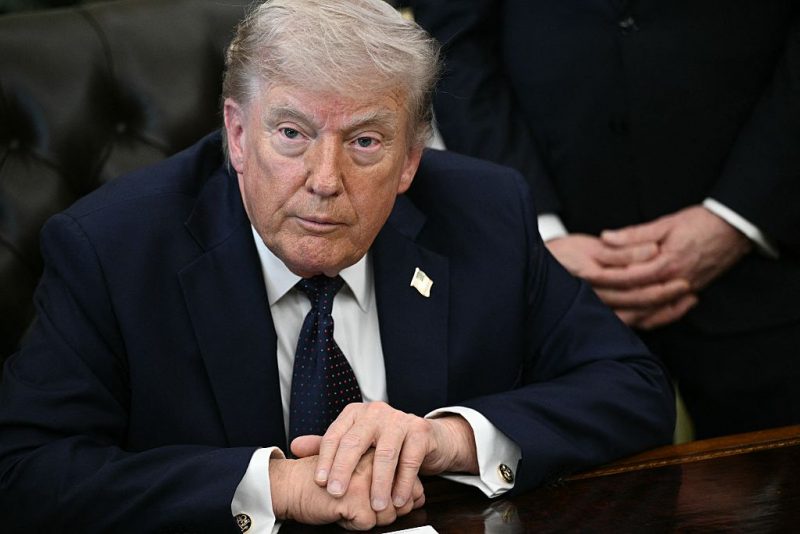
The speculation follows reports that United CEO Scott Kirby raised the possibility of a merger during a meeting with U.S. President Donald Trump in late February.
That meeting came just days before the start of the U.S.-Israeli conflict with Iran, which drove up jet fuel prices and pushed airlines to increase fares and fees to offset rising costs.
Kirby has argued that a combined airline would be better positioned to compete internationally and align with the administration’s focus on reducing U.S. trade deficits. Still, sources say there is skepticism within the White House about the deal’s potential impact on competition and consumer prices especially as officials remain sensitive to rising costs ahead of the November midterm elections.
Source: Reuters