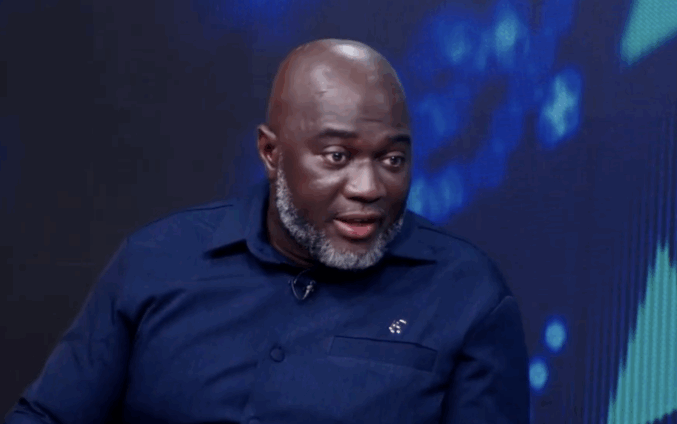
Executive Secretary of the Chamber of Petroleum Consumers (COPEC), Duncan Amoah, has questioned the legal foundation of the Office of the Special Prosecutor (OSP), arguing that the institution should have been scrapped earlier to prevent the current constitutional controversy.
Speaking on Channel One TV’s The Big Issue on Saturday, April 18, Amoah suggested that the establishment of the OSP may have been rushed, raising serious constitutional concerns over its prosecutorial authority.
He contended that the Constitution vests prosecutorial power solely in the Attorney-General, and therefore questioned the legality of delegating part of that authority to an independent body that does not derive its mandate from that office.
“Where the Constitution clearly states that all prosecutorial powers are exercised by the Attorney-General, creating another body to exercise similar powers independently raises constitutional issues,” he argued.
Amoah also criticised Parliament for what he described as inadequate scrutiny of the law that established the OSP, insisting that stronger legislative oversight could have prevented the current legal challenges.
According to him, the situation stems from lapses in the legislative process, and he called for a review of the Act to address the constitutional concerns.
“In my view, this challenge reflects Parliament not doing enough. The law must be revisited, and at some point, the President should have allowed Parliament to scrap it to correct the anomaly,” he said.
He added, however, that the current political climate has reduced tensions surrounding the issue, as the ruling government is not directly affected by the OSP’s activities.
His comments follow a ruling by the General Jurisdiction Division 10 of the High Court in Accra, which directed the Attorney-General to take over all criminal prosecutions previously handled by the OSP.
The court further declared ongoing prosecutions initiated by the OSP null and void, and imposed costs of GH₵15,000 against the office, effectively halting several high-profile cases involving officials from the National Insurance Commission, the Office of the Vice President, and the Customs Division of the Ghana Revenue Authority.