
The United States said on Wednesday it is optimistic about securing a deal to end its conflict with Iran, while warning that it is ready to intensify economic pressure if Tehran refuses to cooperate.
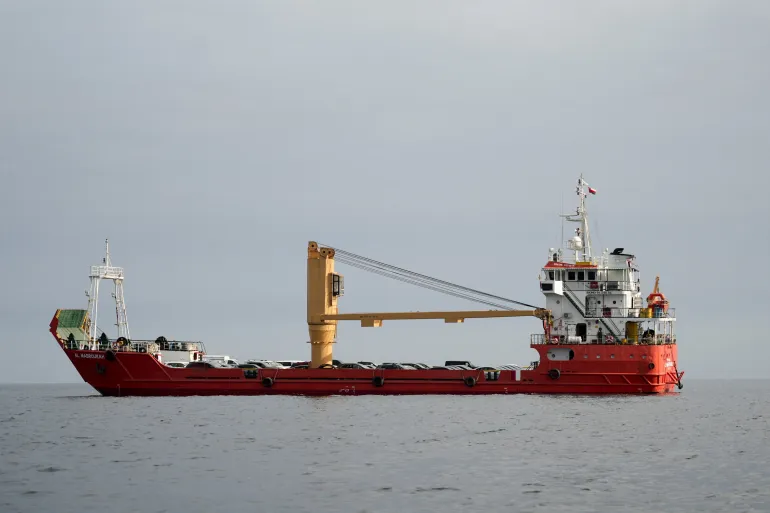
President Donald Trump said he believes the war, launched alongside Israel in late February, is close to ending. Despite this, a U.S.-imposed shipping blockade has taken effect, and traffic through the Strait of Hormuz remains significantly below normal levels.
Washington has indicated it may impose secondary sanctions on countries that continue purchasing Iranian oil, a move aimed at strengthening its leverage ahead of further negotiations. The warning comes just weeks after the U.S. eased enforcement of some energy-related sanctions on Iran.
Officials from both sides are considering resuming talks in Pakistan as early as this weekend, following negotiations that ended on Sunday without a breakthrough. Pakistan continues to play a mediating role, with its army chief visiting Tehran on Wednesday in an effort to prevent renewed conflict.
White House press secretary Karoline Leavitt described the Pakistan-mediated discussions as “productive and ongoing,” adding that the U.S. is encouraged by the prospects of reaching an agreement. She also dismissed reports that Washington had formally requested an extension of the two-week ceasefire agreed on April 8.
Although new in-person talks have yet to be confirmed, they are expected to take place again in Pakistan.
Pakistan’s military said Field Marshal Asim Munir had arrived in Tehran to help bridge differences between the two sides. Iran’s Foreign Minister Abbas Araqchi welcomed the visit, reiterating Iran’s commitment to regional peace and stability.
Last weekend’s talks failed to produce an agreement to end the war, which began on February 28 and has since escalated tensions across the region, including renewed clashes involving Iran-backed Hezbollah in Lebanon.
Meanwhile, U.S. Treasury Secretary Scott Bessent said China’s purchases of Iranian oil are likely to decline due to the U.S. blockade. He added that Washington is considering secondary sanctions on countries that continue to import Iranian crude.
Source: Reuters