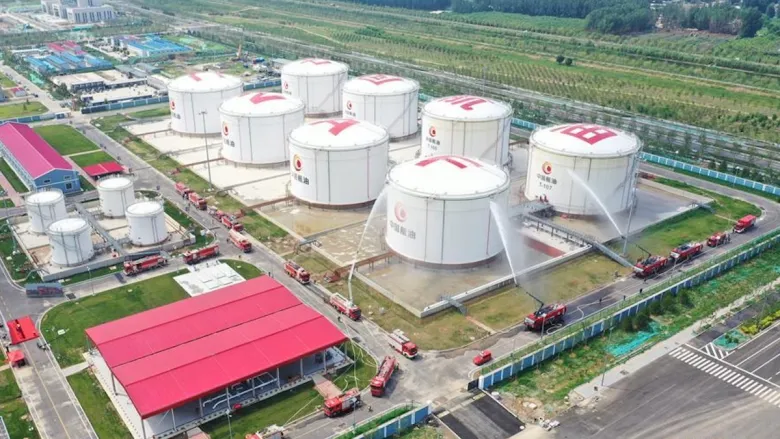
China is moving to resume large-scale purchases of United States liquefied natural gas (LNG) and crude oil, as supply disruptions in the Middle East and tightening fuel markets across Asia force Beijing to recalibrate its energy strategy.
Some observers view the move as a significant concession by Beijing, or even a strategic reward to Washington, after China halted US LNG imports in early 2025 when trade tensions escalated under US President Donald Trump’s tariff measures.
In return, China will have sufficient fuel supply to resume gasoline exports to Asian countries, helping it maintains market share and increase political influence in the region amid tightening fuel supplies. On March 11, the National Development and Reform Commission (NDRC) ordered a halt to exports of gasoline, diesel and aviation fuel.
According to Nikkei Asia, China is restarting imports of US energy, with tanker tracking data indicating that around 600,000 barrels per day of American crude oil are scheduled to be loaded in April. The shift marks a resumption of energy trade between the United States and China following a suspension of purchases triggered by earlier trade tensions.
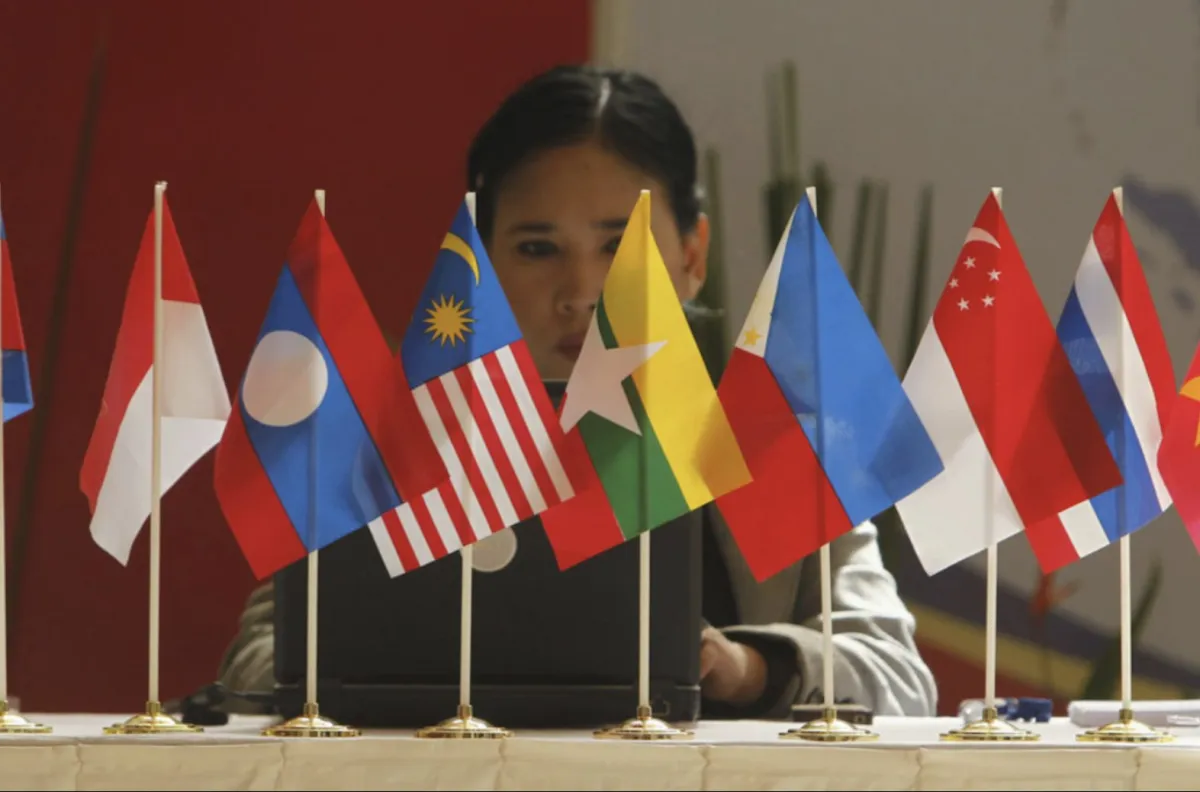
Industry sources told Reuters that China is likely to extend its refined fuel export curbs through April, with limited exemptions for countries facing acute shortages. Talks are underway to allow small volumes of diesel, jet fuel and gasoline to Southeast Asian markets.
Export quotas for April could range from about 150,000 to 300,000 metric tons, with shipments likely to Bangladesh, Myanmar, Sri Lanka, the Maldives and Vietnam. The selective easing highlights Beijing’s effort to maintain regional market influence while managing tight domestic supply.
The resumption of China’s purchases of US crude oil and LNG appears to reflect limited strategic flexibility for Beijing, as disruptions to supplies from Venezuela and the Middle East constrain its options.
However, Chinese state media and commentators have framed the development differently, portraying it as a competitive win over Japan in securing US energy supplies.
“Japanese Prime Minister Sanae Takaichi returned from the US with ‘alliance commitments’, only to see China swiftly secure large volumes of US crude and LNG that Japan had hoped to obtain,” Liang Mi, a Sichuan-based columnist, writes in an article on Thursday.
He says Tokyo had made every gesture and shown full “sincerity” to the US to secure energy supplies, but failed to match China’s scale.
“China is buying about 600,000 barrels per day, or roughly 18 million barrels a month, worth close to US$10 billion at current prices,” Liang says. “Japan’s refiners booked only about 3 million barrels for April, just equivalent to China’s five-day purchases. The US does not prioritize allies; it prioritizes its own interests.”
“As the world’s largest energy importer, China has a strong and stable demand for crude oil and natural gas. Whoever buys more can enjoy a higher priority,” he says.
He adds that China’s decision to resume large-scale energy purchases from the US comes ahead of a planned leaders’ meeting between Beijing and Washington in May, and that the deal helps create a more constructive atmosphere for high-level dialogue.
Trump is set to visit China and meet with Chinese President Xi Jinping on May 13-14.
Source: Asia Times